Heritage Sites Of Ahmedabad
1.Sabarmati Ashram
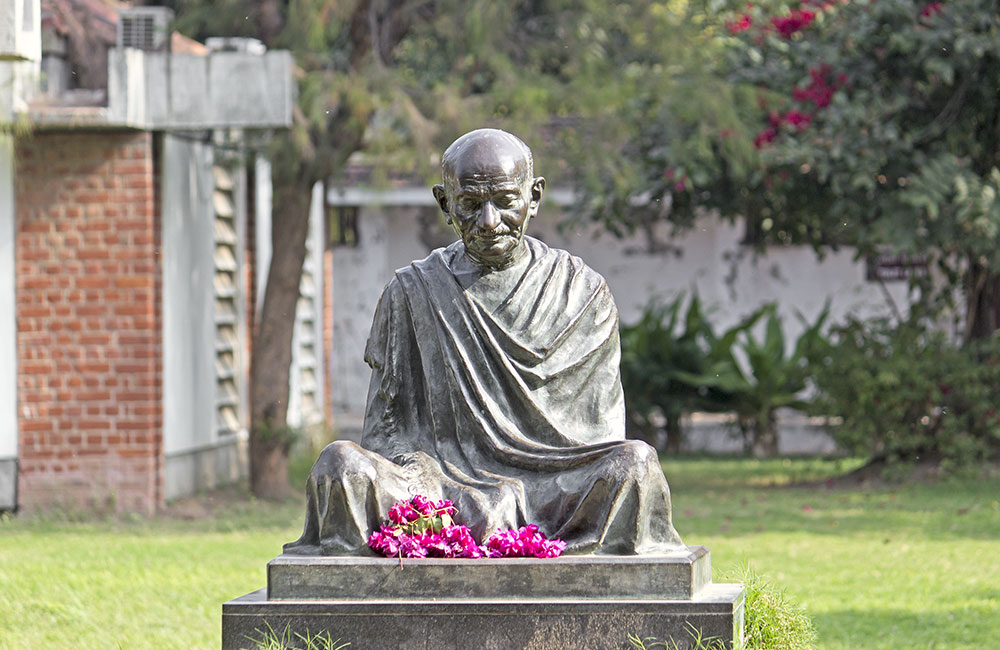
Sabarmati Ashram served as the residence of Mahatma Gandhi and his wife, Kasturba, for a long time. Situated on the banks of Sabarmati River, this serene ashram is perhaps the most famous of all historical places in Ahmedabad. It is built over an area of 36 acres and is often referred to as the Gandhi Ashram.
The ashram played a key role in India’s freedom movement too. It was the base from where Bapu led the Salt Satyagraha or Dandi March on 12th March 1930. There’s a museum inside the ashram, called Gandhi Smarak Sangrahalaya, where you can see artifacts related to his life, including his writing desk, some personal letters and photographs, and khadi kurta.2.Bhadra Fort
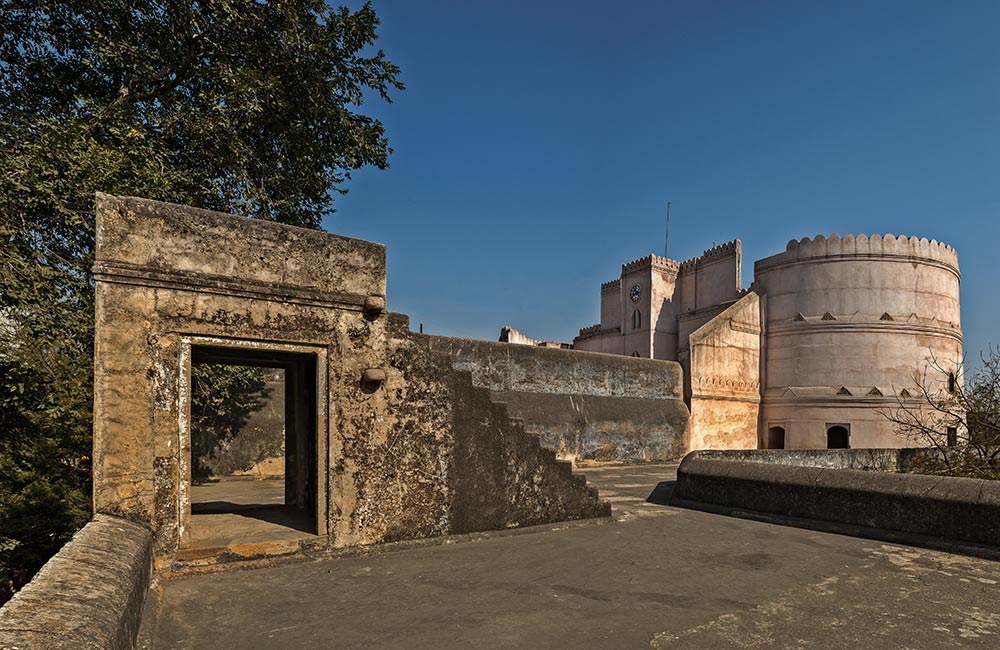
Bhadra Fort, built in 1411 by Sultan Ahmed Shah, houses many royal palaces, lavish gardens, mosques, huge gates, watchtowers, and open spaces within its premises. It also has a shrine dedicated to Bhadra Kali, which was established during the Maratha rule. You can even find a splendid clock tower here installed by the British East India Company in 1878. The fort may have lost much of its original splendor, but it is still one of the most renowned tourist places in Ahmedabad that narrate the story of the city’s glorious past.
3.Teen Darwaza
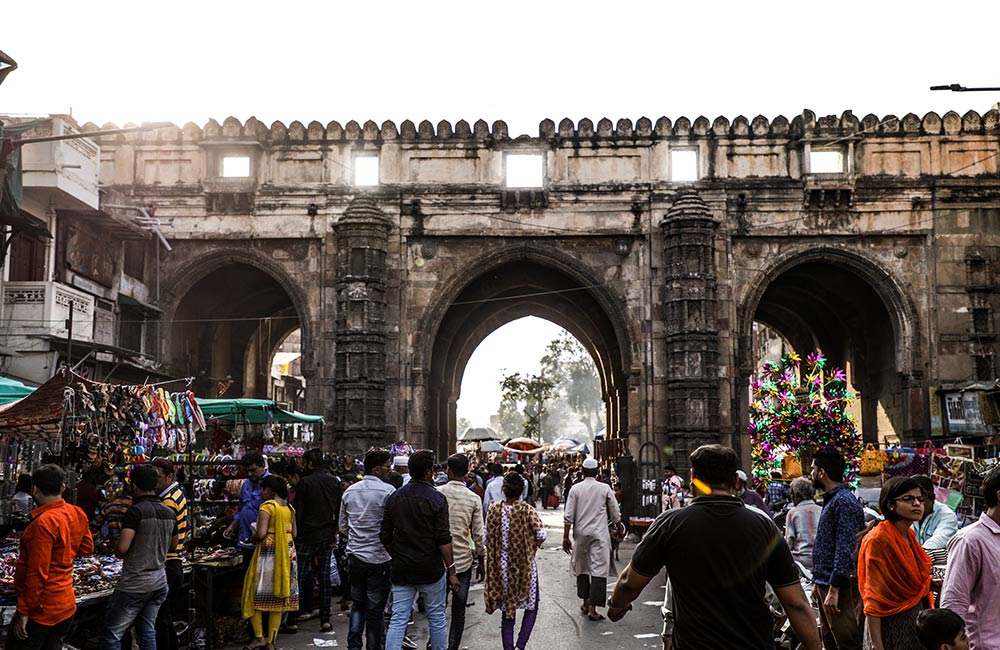
Teen Darwaza, the eastern gateway to the Bhadra Fort, is another major historical landmark in the city. In fact, this entrance gateway is so iconic that it has been featured in Ahmedabad Municipal Corporation’s logo. The structure was built in 1415 by Ahmed Shah, and has three arches; hence the name. While here, don’t miss out on checking the inscription on the gate’s pillar. Made in 1812 by Chimnaji Raghunath – a Maratha governor, the inscription declares women’s equal right to inherit ancestral property. There are many shops in the area selling all kinds of knick-knacks so you can do a little bit of shopping after visiting the gate and the fort.
4.Jama Masjid
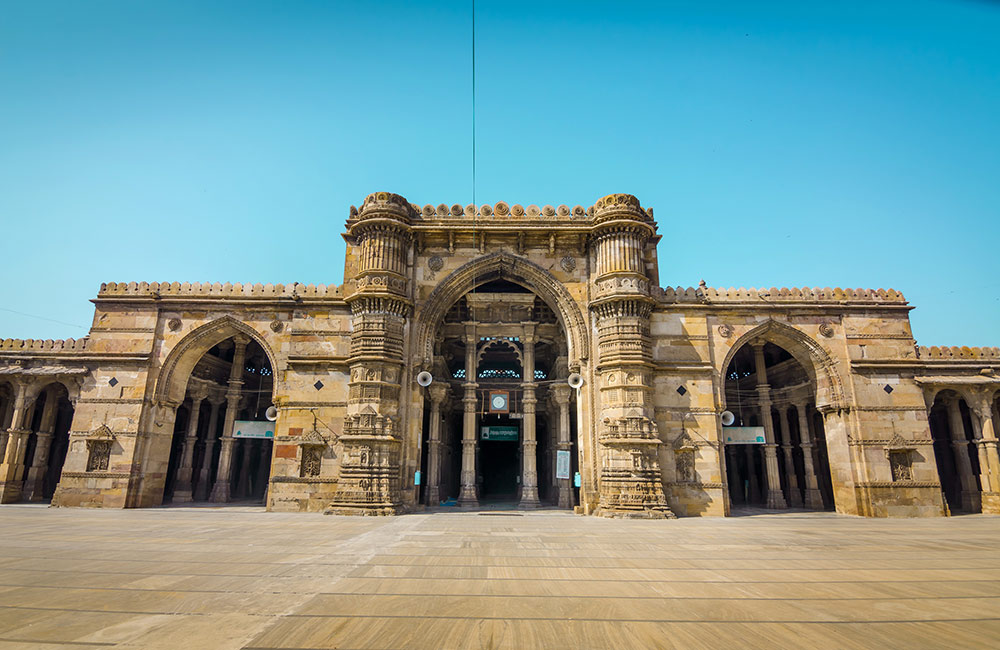
When Sultan Ahmed Shah built the colossal Jama Masjid in 1424, it was one of the largest mosques in India at the time. Located in the old walled city, this gorgeous mosque stands right outside Bhadra Fort. The mosque is built in yellow sandstone and is a fine example of the Indo-Saracenic style of architecture. There are over 260 columns in the main prayer hall, covered by 15 domes. It is believed that the mosque was constructed using the stones obtained from demolished Jain and Hindu temples.
5.Adalaj Vav
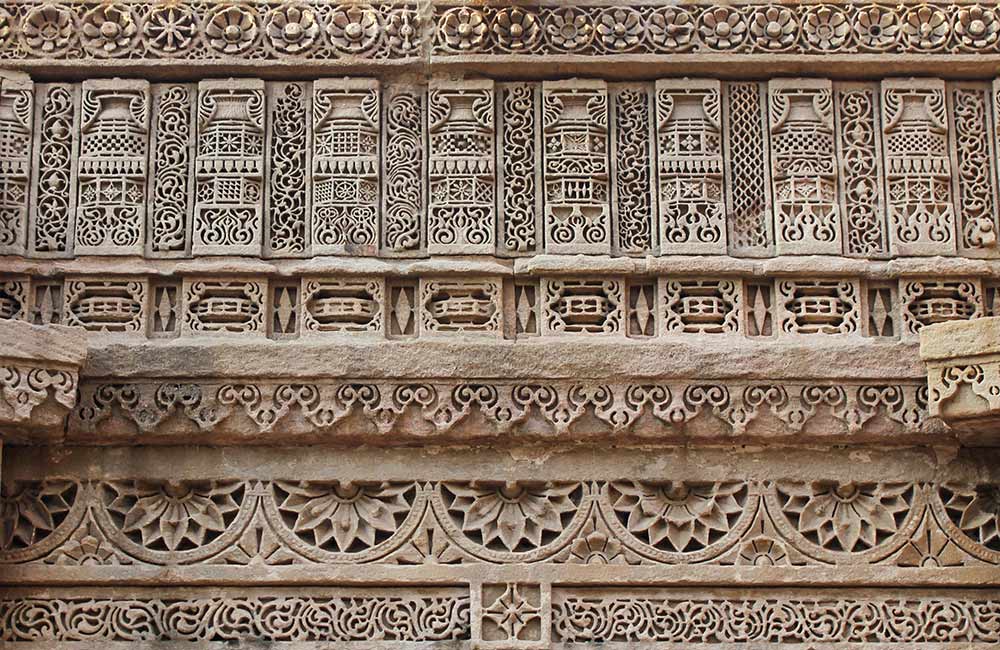
Another one of the historic stepwells in and around Ahmedabad, Adalaj Vav is located in the namesake village on the outskirts of the city. It was constructed by Queen Rudadevi in 1498 to commemorate Rana Veer Singh – her husband and is thus also known as Rudabai Vav. The five-storied structure is built using sandstone in the Solanki architectural style, featuring large pillars, stairways, and intricate carvings.
6.Jhulta Minara
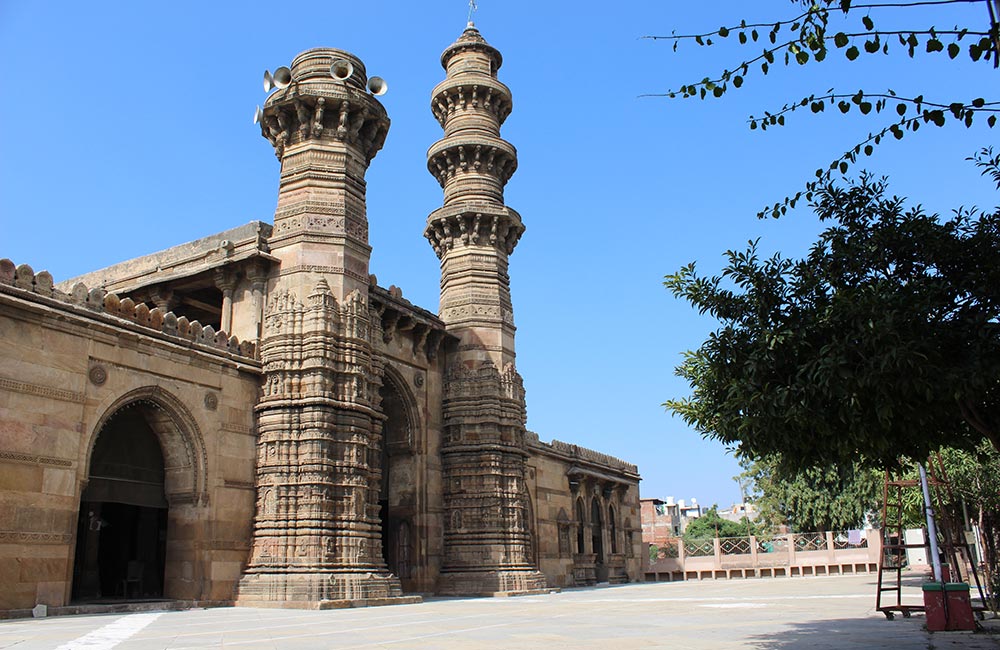
Your trip to the historical places in Ahmedabad cannot be deemed complete without a visit to Jhulta Minara or Shaking Minarets, an intriguing architectural wonder. The two minarets once served as the gateway to the 500-plus-years-old Sidi Bashir Mosque. A unique feature of these minarets is that if you shake either one of them by applying a little force, the other one starts vibrating in just a few seconds. Hence the name; but the passage that connects these two minarets does not experience any vibrations. Many experts tried to unravel the mystery behind this unique architectural phenomenon, but in vain.